Scientific research of the anthropological remains
A physical anthropological approach to Mediterranean antiquity
Research and consultation on the excavation, rescue, and museum presentation of archeological sites in the Mediterranean, with a primary focus on Greece. A non-governmental and non-profit organization that benefits from a wealth of knowledge and experience from expert scientific contributors.
Recent publications
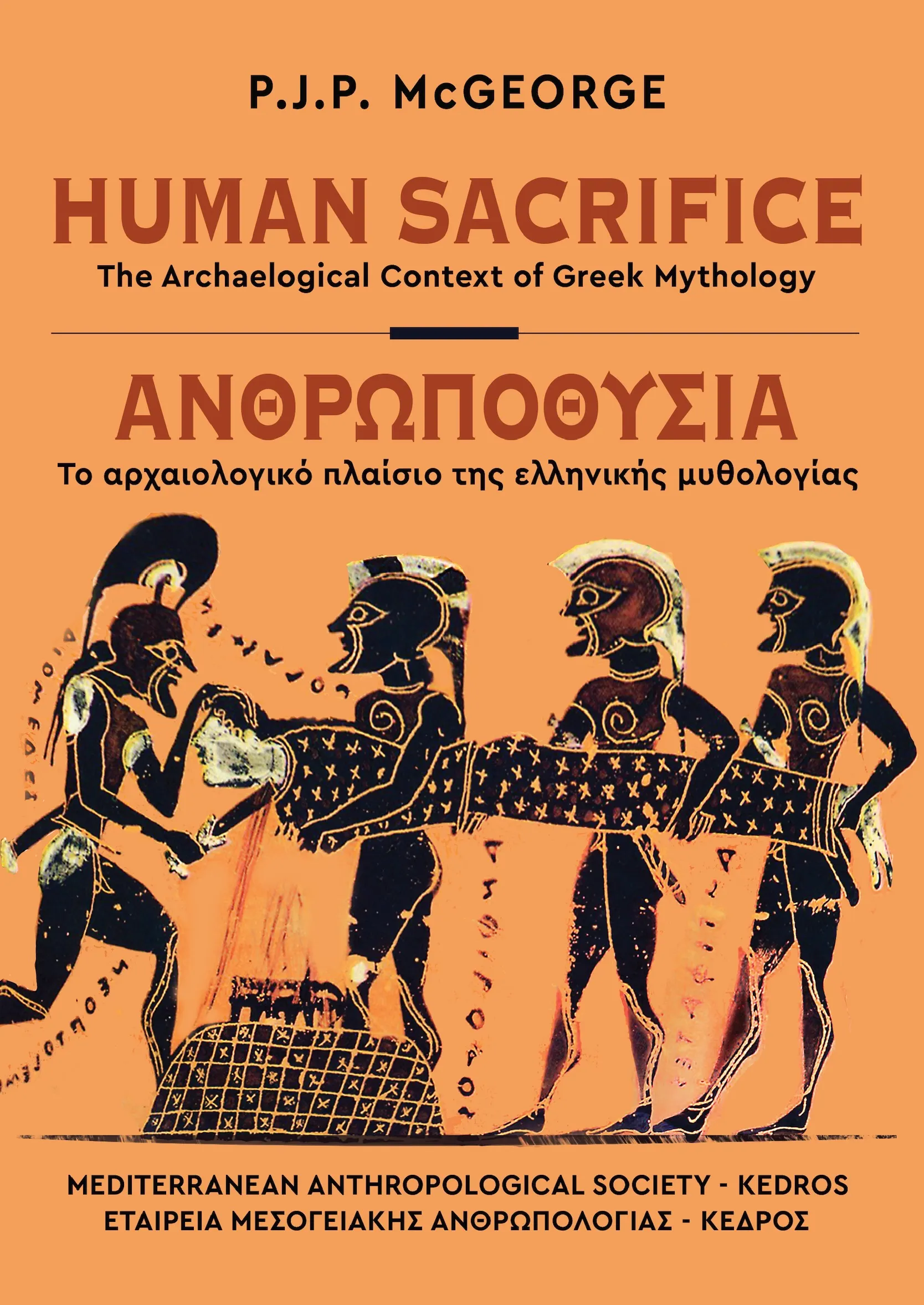
Human Sacrifice
The Archaeological Context of Greek Mythology
Kydonia, 13th century BC. A catastrophic earthquake, between 6.5 and 7.5 Richter, causes a death toll, while the survivors face shock, utter devastation and social dislocation. In an attempt to pacify the angry chthonic gods, a young woman and forty-nine animals are ritually slaughtered. Mingled human and animal body parts, butchered in precisely the same way, were scattered over the cracked plaster floor of a colonnaded hall and sealed with stones. It is the earliest archaeological evidence for a Mycenean Greek form of maiden sacrifice recorded in myths. Until now regarded as fiction, this discovery proves the historicity of myth.
Further from the field
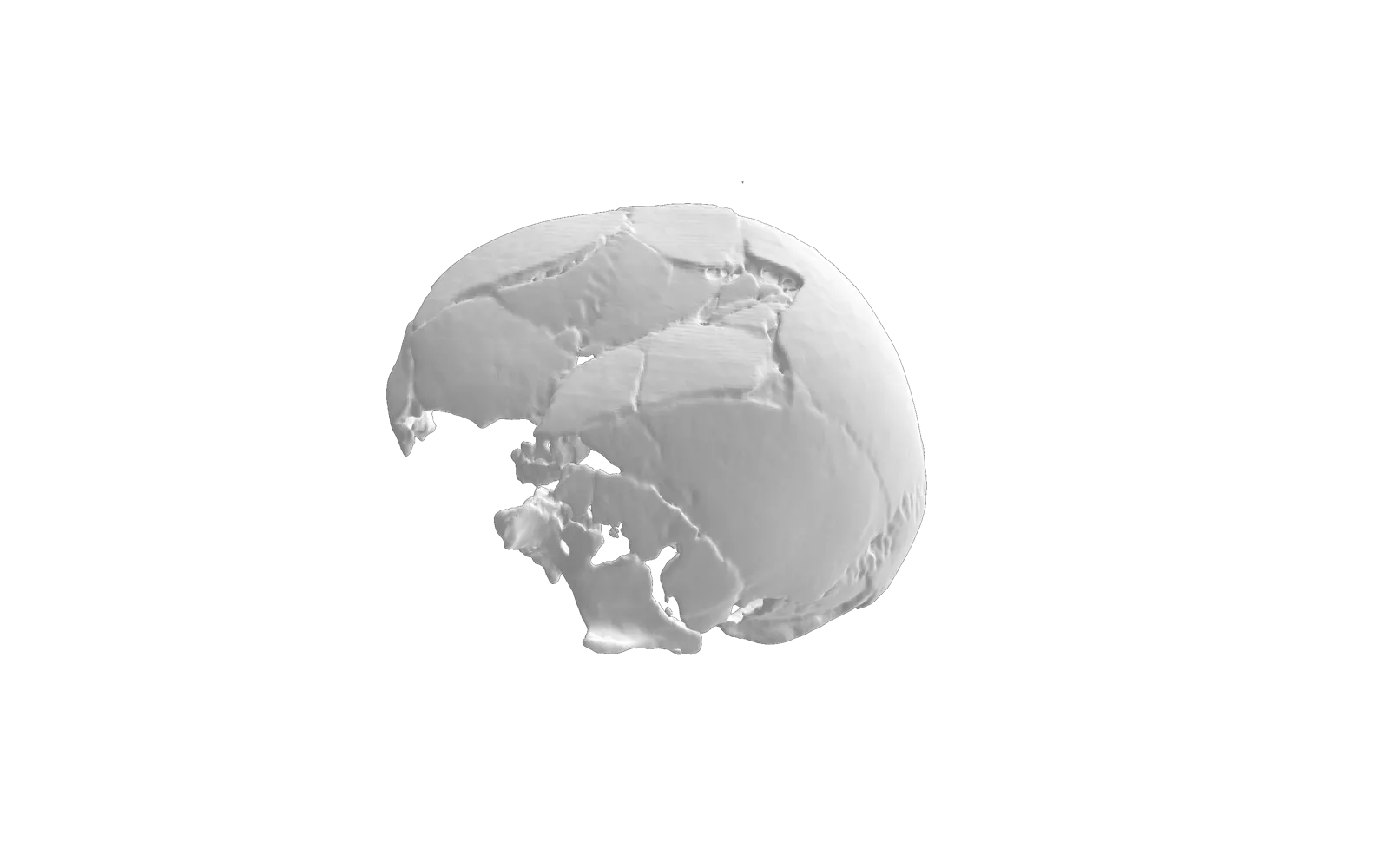
The Lady of Ippeios
Removing the schist stone slabs that sealed the cist grave at Ippeios uncovered a tragedy twenty-eight centuries old — the skeleton of a young woman, elegantly attired, with exquisite gold jewellery and four bronze fibulae that adorned her clothing.
More info →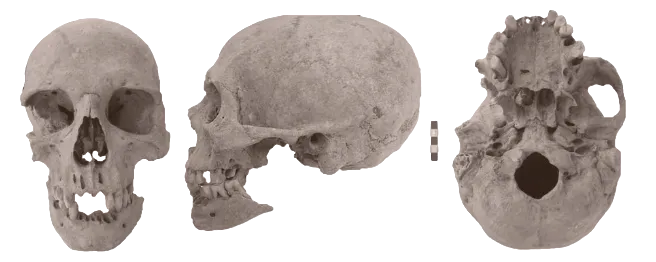
Mycenaean Tombs at Kompotadhes
The cranium has slightly sunken cheek bones, more noticeable on the right due to caries and abscesses affecting the molars on both sides of the oral cavity, as well as the loss of several teeth from the mandible.
More info →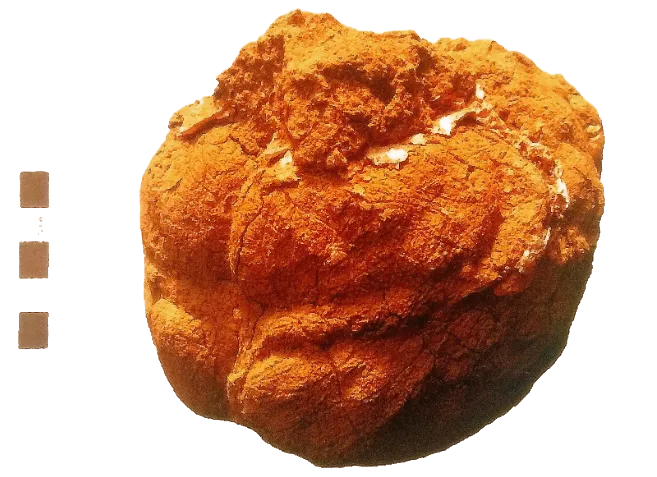
A 5th-century BC Brain from Tenos
The palaeopathological investigation of geopoiesis of a brain of a young woman, between 18 and 25 years of age, from a tomb excavated in the cemetery of the acropolis of Exombourgo on the island of Tenos in the Aegean.
More info →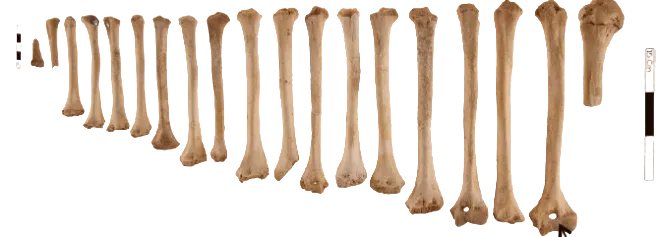
Excavations in the Hagios Charalambos Cave
From June to early August, three volunteers helped sort and number bones, supplementing previous work on these elements. Material was photographed and recorded on paper and digitally; pathologies were x-rayed.
405 clavicles · 664 humeri · 45 sub-adult radii
More info →